Leave Your Message
- Phone
- E-mail
- Skype
- Whatsapp
- Whatsapp

Modern life has shifted towards maintaining the importance of an optimal health status: Healthcare Supplements have completed the practice to wellness achievement. Depending on its hundreds of varieties, people are experimenting with different formulations to meet defined health needs-the immunity boost, energy elevation, or a good as well-all, given a Healthcare Supplement, will do wonders for one's life.
At Xi'an Jintai Biotechnology Co., Ltd., quality makes the difference in the HealthCare Supplement industry. We believe that the very basis of an effective supplement is its raw materials; hence, it is necessary to impose a complete quality control system, which, in effect, means that every ingredient should be sourced from the planting base. This identifies how processed products are produced as well as how it is named in strict quality inspection standards-all for the safety of users, and of the highest quality products possible, to empower users with informed choices for health.

The importance of healthcare supplements in today's fast-moving world cannot be underestimated. Along with the uphill battle against iron deficiency anemia among children, there is an increasing number of women interested in advanced anti-aging products. Hence, supplements will act as an important gap filler when it comes to nutrition. Back in Malaysia, word has it that almost half the children are suffering from iron deficiency, which is a key area where healthcare supplements can come in and really make a difference. After ensuring that children receive proper nutritional supplements, they can protect themselves from long-term complications in health. Moreover, the supplement scene is brimming with fresh energy because of increased focus on consumers and emerging research into clinical nutrition efficacy. Thus, companies are realizing that meeting the needs of informed consumers for quality and efficacy is critical. A wave of new products is now emerging in the 21st century, primarily addressing more defined issues of the modern era: advanced anti-aging solutions have literally been thrust into the media spotlight at various international conference centers. This evolution in the marketplace speaks to the increasing consciousness about health and wellness and emphasizes that choosing the right supplements can enormously affect our health.
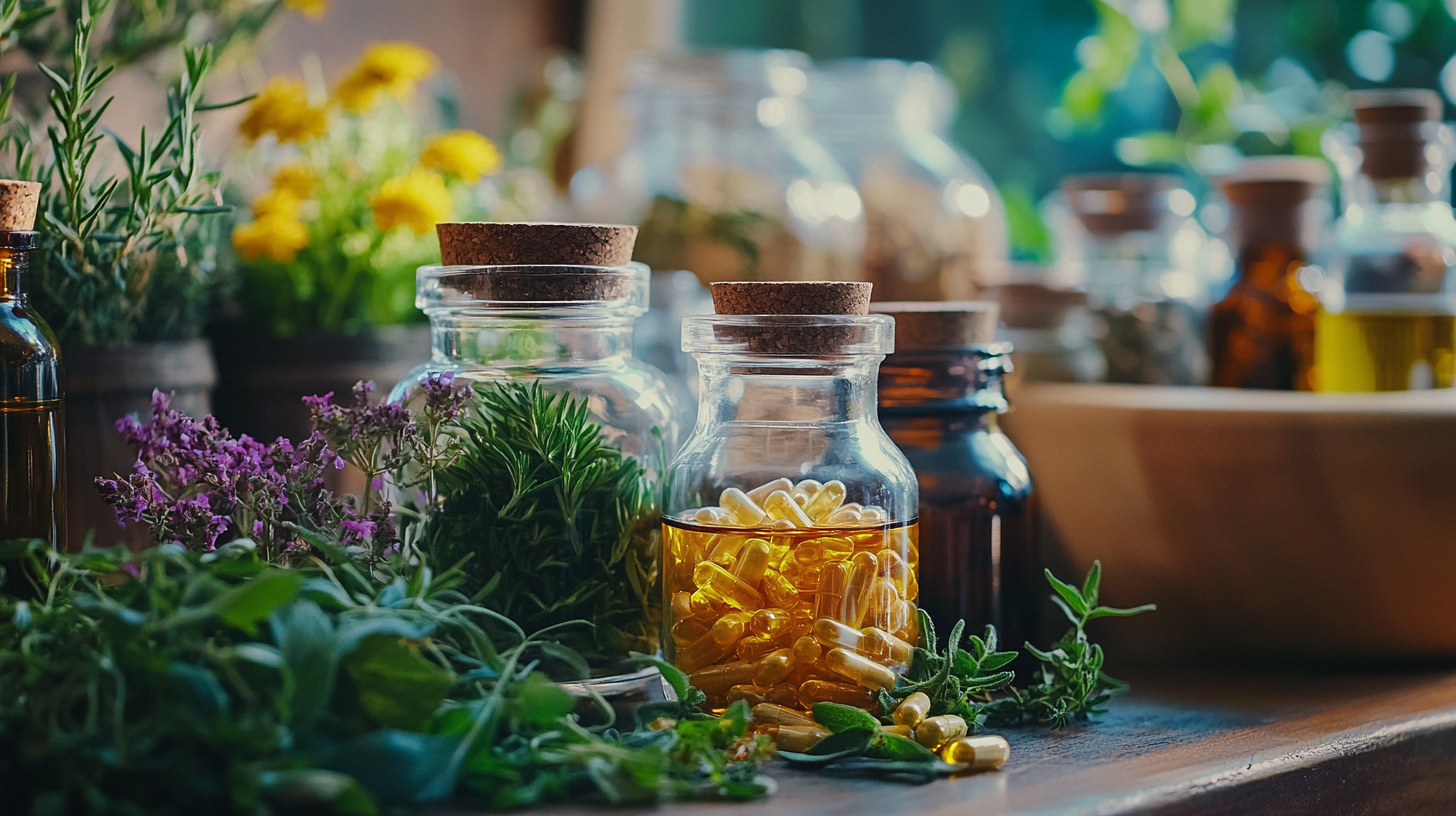
The increasing awareness among consumers regarding their unique nutritional needs has placed a growing demand for personalized healthcare supplements in modern health-conscious society. The global dietary supplement market, worth an estimated $178.5 billion in 2024, is forecast to expand to $209 billion by 2025 and at a surge further to around $919.5 billion by 2034. Such growth is driven primarily by an increasing inclination toward alternative and complementary medicine as people try to find solutions that will bring them closer to their health objectives.
Perhaps one of the largest trends occurring in this sector is the growing availability to consumers of supplement forms and kinds. Like really fine powders, tablets, capsules, and liquids, there are dozens of ingredients ranging from vitamins, minerals, amino acids, probiotics, to natural Herbal Extracts. Adjusting health needs to an individual's conditions allows people to choose the most fitting type and form when adopting these supplements, thus bringing them closer to getting the desired health condition. For instance, the sports nutrition and dietary supplement market alone is estimated to grow from $8.28 billion in 2024 to $11 billion in 2033.
Apart from this, new methods like personalized supplementation-blood tests and artificial intelligence to determine what nutrients an individual would need-have also captured attention. Custom supplement formulas boost nutrient absorption significantly to realize health benefits. However, the possibility of the processing, that is, reducing the amount of nutrient supplementation for a given situation or person, is unlimited as individualized nutrition progresses to the most cutting-edge ways of personalizing in this regard.

With such a large variety of healthcare supplements, it is important to know what you are up against in order to make informed decisions. Take vitamins, for example-each an organic compound truly required for the optimum functioning of the body. They play key roles in everything from energy production to immune support. Examples of common vitamin supplements include Vitamin C, which is known to be an Antioxidant, and Vitamin B complex, which is involved in metabolism and brain function. This implies that the inclusion of the aforementioned vitamins in any daily routine can help fill any nutritional gaps from a hectic lifestyle or dietary restrictions.
Another category of supplements that one ought to consider is minerals, which are essential for the general functioning of the body. Calcium and magnesium are well known for bone health and muscle health, respectively, while zinc contributes to immune support and wound healing. It is safe to say that not all people are getting all minerals from their diets. Thus, supplementation becomes a viable option to ensure they are getting their doses. Different forms of supplements contain different bioavailability, so selecting a good quality supplement becomes imperative.
Beyond the vitamins and minerals already discussed, herbal extracts and fatty acids are also options worth considering. As an example, herbal supplements such as turmeric and garlic are potent anti-inflammatory agents for heart health. Omega-3 fatty acids, commonly derived from fish oil, are touted for their contributions to brain health and reducing inflammation. Among so many options, it is equally important to look into your specific health needs and to consult a medical practitioner regarding any new supplement regimen to ensure that you are making choices that optimize your health.

Choosing healthcare supplements is a very overwhelming task to do because of the great variety of available options. However, the quality of the supplements selected is an aspect that should never be compromised, as there exists an entire industry of products that may not live up to the claims made on their labels. As per the report by the Council for Responsible Nutrition, more than 75% of American adults take dietary supplements, yet most don't have any idea about how to assess their quality.
When beginning to evaluate trusted supplement brands, look for those following Good Manufacturing Practices (GMP). These are established standards that ensure their products are consistently produced and controlled to quality standards. It is also important for these products to undergo third-party testing: independent organizations, such as NSF International or ConsumerLab, provide unbiased reviews as to the efficacy and safety of supplements. A study published in the Journal of the American College of Nutrition indicated products that are verified from third-party testers are more likely to have the correct label and less contaminants than those without.
An equally important factor to consider is ingredient sourcing. Brands that openly communicate their sourcing methods usually indicate a greater commitment to quality. Studies from the National Institute of Health indicate that supplements produced from organically grown and sustainably sourced ingredients are likely to have better bioavailability and effectiveness. Consumers who closely evaluate a supplement brand's communication regarding ingredient sourcing and production methods can make selections that are best for their overall health care needs.
In contemporary years, supplements have completely drifted away from their chemical base and into herbal and plant-based options. It is part of the general growing consumer preference trend for a holistic approach to health and wellness. Also, the projection for the natural supplements industry is world over great as increased health consciousness and sustainable demand will bring significant changes to it. Herbal supplements are hitting the roofs as there are studies showing that many consumers prefer herbal supplements because of their perceived effectiveness and safety.
Under edible fungi, mushrooms have been ranked so high as sources of natural supplements. Mushrooms certainly provide a unique nutritional profile and potential health benefits such as anti-inflammatory and antioxidant properties. They thus offer a great opportunity in the market for dietary supplements. Recent reports point out that functional mushrooms are being used more and more by the public to support areas like immunity and mental health, showing a fascinating turning point in supplement preferences.
Moreover, the ever-growing market of ursolic acid is another example of this burgeoning attraction towards naturally derived healing agents as seen in many plants. The increasing knowledge of consumers about what herbal and plant-based supplements can do has drawn the concern of industries toward developing innovative products that will meet this alteration in demand. Plant-based supplement demand is forecasted to continue increasing as the value of the market is expected to grow significantly over the next few years. This trend also stands as a reflection to underscore a united movement on the use of rich availabilities from nature to enhance collective well-being.
Getting a good knowledge of regulatory space around healthcare supplements is extremely important to ensure their safety and efficacy while qualifying for them. The supplement industry is uniquely characterized because it operates under a much less stringent environment than pharmaceuticals. The variability in product quality and the presence of never-verified claims can be seen. Therefore, educating oneself about how to maneuver through these regulations to take informed actions is just as important for consumers.
Key aspects of the supplements to consumer consideration matter to be label. This means that manufacturers being ultimately responsible for safety and the truthfulness of labels, the U.S. FDA does not pre-approve dietary supplements before they go to market. It can be frustrating for consumers to thus pay close attention to these labels, looking out for independents outside certifications. These certifications would signal that the product has undergone rigorous testing for purity and potency, thus giving extra assurance.
Recall of products would be another vital regulatory considerations. Consumers must be knowledgeable about those recalls issued by the FDA or other regulatory bodies concerning supplements that may contain hazardous ingredients or do not match what is on the label. One such resource is available on the FDA's website. In being vigilant and informed, individuals will be in a better position to navigate the complexities of supplement safety as they make choices that align with their health needs.
Inculcating supplements into your daily routine can be quite a common way to improve your general health and well-being. The greatest secret to deriving benefit from any healthcare supplement is consistency and timing. For instance, taking multivitamins in the morning sets a positive tone for the day since it allows the body to receive its essential nutrients for metabolism and energy levels. Taking supplements with a healthy breakfast enhances absorption as well as provides the body with fuel to remain in an optimum stage.
Another splendid trick would be to include certain supplements shaped by your lifestyle. For example, if you're working out, protein powders and amino acids should be included post-workout in order to support muscle recovery, growth, and performance. Otherwise, if your day is full of stress and anxiety, ashwagandha or rhodiola may come in handy at night as a way to calm down and improve sleep.
Apart from being thoughtful toward your supplements, routine remains pivotal. Picking out a time for your supplements to make it out will help you remember. Whether like taking all the supplements with lunch/dinner, into the morning smoothie, or at bedtime: these activities will allow fulfilling. Using pill organizers can conveniently track if the dosage is taken every single day. Considerably integrating supplements into your everyday life leads you into a sustainable health journey shaped by your own needs and aspirations.
Having the significant difference in health journeys due to knowing when and why to go into consultation with professionals makes sense by itself in the multitude of choices that a person has in terms of healthcare supplement. In the report by the Council for Responsible Nutrition, out of the 76% of Americans who take dietary supplements, they do so mainly to increase something in their health. In light of having too many choices of formulations, one may find it not only necessary but also crucial seeking advice from health experts to prevent possible risks and to make a deliberate choice according to individual specific health needs.
Such professionals may include registered dietitians or certified nutritionists. Consulting them brings added value as one study published by the Journal of Nutrition shows that people who consult with nutrition professionals reach their health goals more likely than others who do not. Professionals can determine the health status of your current condition, understand your diet, and give research-based recommendations regarding the use of supplements. In doing this, much time and money can be saved through good use of supplementation.
Some populations, such as pregnant women, seniors, or those suffering from a specific illness, require very personalized supplementation strategies. According to the National Institutes of Health, these areas also have the highest prevalence of inadequate nutrient intake, making the need for the guidance of a professional all the more relevant. A knowledgeable professional can help select appropriate supplements while monitoring the potential for drug interactions and consideration of other health problems for safe and effective overall well-being improvement.
The main types of dietary supplements include vitamins, minerals, amino acids, probiotics, herbal extracts, and fatty acids. Each serves different health purposes and functions.
Personalized supplementation is becoming popular due to its ability to use data from blood tests and AI to recommend specific nutrients tailored to individual health needs, enhancing nutrient absorption and optimizing health benefits.
The global dietary supplement market is projected to grow from approximately $178.5 billion in 2024 to around $919.5 billion by 2034, reflecting an increasing consumer awareness of personal health and nutritional needs.
Common vitamin supplements include Vitamin C, which offers antioxidant properties, and B complex vitamins that aid in metabolism and brain function, supporting overall energy and immune health.
Minerals like calcium and magnesium are vital for bone health and muscle function, while zinc supports the immune system and wound healing. Supplementation may be necessary for those who do not receive adequate minerals from their diet.
Consumers can ensure safety by paying close attention to supplement labeling, looking for certifications from independent third-party organizations, and staying informed about recalls issued by regulatory bodies like the FDA.
Yes, herbal supplements can be effective. Examples include turmeric, known for its anti-inflammatory benefits, and garlic, which may enhance heart health.
Individuals should consider their specific health needs and consult with a healthcare professional to ensure they are making informed and appropriate choices for their well-being.
The supplement industry operates in a less stringent regulatory environment compared to pharmaceuticals, leading to variations in product quality. Consumers must be proactive in researching and verifying the safety and claims of dietary supplements.
Staying updated on recalls is crucial to avoid supplements that may contain harmful ingredients or misrepresented contents, ensuring that consumers make safe and informed choices for their health.