Pharmacological ingredients are pretty much the backbone of the pharmaceutical world. Basically, these are the active stuff that actually make medications work. I came across a report from Grand View Research that estimates the global market for these ingredients will hit around $185 billion by 2025. That really shows just how important these ingredients are when it comes to developing new medicines and keeping patients healthy.
The quality of these ingredients directly impacts how well a medication works and how safe it is. Cutting corners with quality can lead to treatments that just don’t do the job. On the flip side, if you start with top-notch ingredients, you're more likely to see better health results. Big players like Merck KGaA and Pfizer spend a ton on ensuring their ingredients meet all regulatory standards—they want to make sure their medicines are both effective and safe for folks.
That said, not every Pharm Ingredient is created equal. There's quite a bit of variation depending on where and how they’re sourced and processed, which makes you wonder about their consistency. Take Beetroot Powder Ingredients for example—quality can vary quite a bit from supplier to supplier. That’s why it’s super important to have thorough testing and validation. The industry really needs to keep tackling these challenges if it wants to maintain trust and ensure medicines are truly effective.

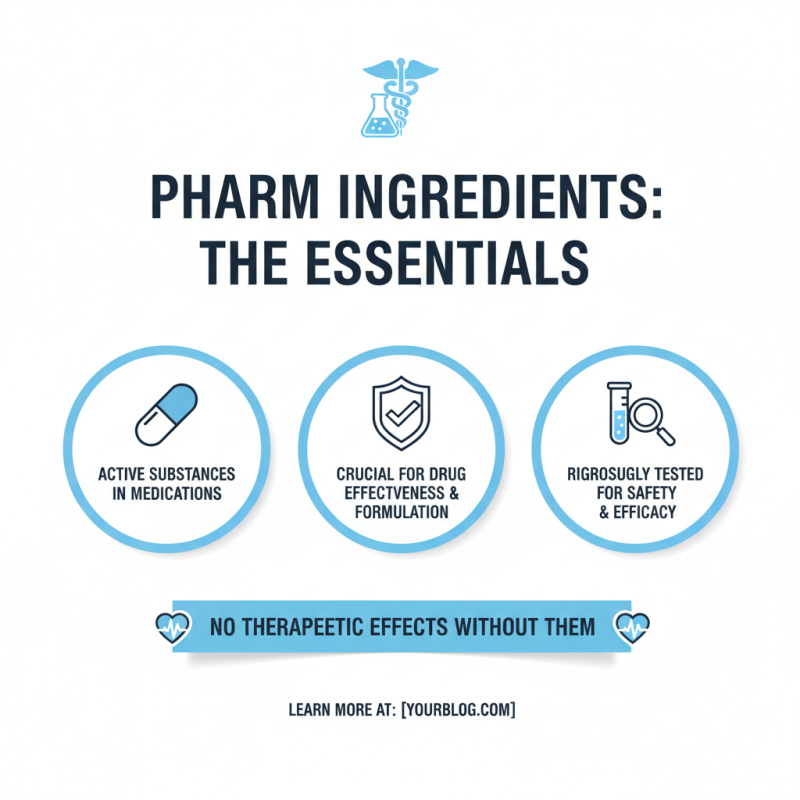
Pharmaceutical ingredients, or pharm ingredients, are the active substances in medications. They play a crucial role in drug formulation and effectiveness. These ingredients undergo a series of tests to ensure safety and efficacy before reaching consumers. Without them, there would be no therapeutic effects.
The creation of pharm ingredients involves complex processes. Scientists often start with raw materials. They synthesize these to achieve desired chemical properties. This can be a lengthy process, often requiring multiple trials. Each ingredient must meet strict quality standards, which can vary by region. However, there are challenges. Some ingredients may fail quality tests or not perform as expected. This can lead to delays in drug production.
In addition to active ingredients, excipients are also important. They help in drug delivery and stability. These substances can also affect the patient experience. Inconsistent quality can lead to variations in patient outcomes. Developers must focus on these details to ensure that every product is reliable. The importance of pharm ingredients cannot be overstated, as they are foundational to medicine.
Pharmaceutical ingredients are essential components in drug formulation. They are categorized into active pharmaceutical ingredients (APIs) and excipients. APIs are the substances that provide therapeutic effects. Excipients are inactive substances that serve various functions, such as stabilizers, fillers, and binders.
In the pharmaceutical industry, the quality of these ingredients is crucial. For example, APIs require strict regulations to ensure safety and efficacy. On the other hand, excipients play a vital role in drug delivery and patient compliance. Choosing the right excipient can enhance the bioavailability of a drug. However, the process isn't always straightforward. Some excipients may cause allergic reactions in certain patients.
Another key aspect is the sourcing of Health Ingredients. Many ingredients come from natural sources, but their quality can vary significantly. Manufacturers must carefully evaluate suppliers and conduct rigorous testing. It's also essential to consider the impact of sourcing on the environment. Balancing efficacy, safety, and sustainability is an ongoing challenge. Understanding these complexities can lead to better outcomes in drug development and patient care.
This bar chart illustrates the different types of pharmaceutical ingredients and their relative usage percentages within the industry. Active Pharmaceutical Ingredients (APIs) make up the largest portion, indicating their crucial role in drug formulation, followed by excipients and other categories.
Pharmaceutical ingredients are the essential components of drugs. They play a critical role in drug development. These ingredients can be active substances or excipients, which help in formulating medications. Each ingredient must be carefully selected for safety and efficacy. The process involves extensive research and testing, often lasting years.
In drug development, pharmaceutical ingredients influence how a drug performs in the body. They determine bioavailability and stability. For example, some ingredients enhance absorption while others protect the active substances from degradation. However, the selection process is not always straightforward. Sometimes, interactions between ingredients can lead to unexpected results.
Developers must balance efficacy with safety. This can be challenging. A promising ingredient may cause side effects. Continuous evaluation during the development phase is essential. It ensures that the final product meets regulatory standards. Overall, while pharmaceutical ingredients are crucial, the journey from concept to market is complex. There is always room for improvement and reflection on past choices.
Pharmaceutical ingredients play a vital role in drug formulation. The quality of these ingredients directly impacts efficacy and safety. According to industry reports, about 72% of drug recalls are due to quality issues related to these components. A single compromised ingredient can lead to severe consequences.
Quality assurance is not just a regulatory requirement; it is a necessity for patient safety. It ensures that products are effective, safe, and reliable. Implementing stringent quality control measures can significantly reduce risks. A study indicated that 80% of manufacturers struggle to meet high-quality benchmarks consistently. This highlights the need for continuous improvement in production processes.
Tips: Always verify supplier credentials before purchase. Conduct regular audits to ensure compliance with quality standards. Don't overlook the importance of Vegetable Powder Ingredients in formulations; they can offer therapeutic benefits. Integrating natural ingredients may enhance bioavailability and patient acceptance.
Improving ingredient quality is a shared responsibility among manufacturers, suppliers, and regulators. Failures in quality can stem from various sources, including inadequate technology or untrained personnel. Remediation requires a collective effort to push standards higher. By focusing on quality, the industry can build trust and ensure better health outcomes.
Pharmaceutical ingredients play a crucial role in the development and safety of drugs. According to the World Health Organization, approximately 50% of all drugs on the market may not contain the correct active ingredients. This inconsistency can directly impact drug efficacy. If a drug doesn't contain the right amount of active ingredient, its effectiveness is compromised. Patients might not receive the expected benefits.
Moreover, impurities in pharmaceutical ingredients can lead to safety issues. According to the U.S. Food and Drug Administration, contamination in manufacturing has caused numerous drug recalls in recent years. A reported 30% of all drug recalls were linked to quality issues involving these ingredients. This raises a pressing concern. How can we ensure that our medications are both effective and safe?
The importance of rigorous quality control cannot be overstated. Studies indicate that about 70% of pharmaceutical manufacturers struggle to meet compliance standards. Achieving high standards is essential for ensuring that drugs are reliable. Without diligent oversight, patients may take medications with incorrect dosages or harmful impurities. The industry must reflect on these challenges to advance patient safety and therapeutic outcomes.
| Ingredient Type | Description | Role in Drug Efficacy | Impact on Safety |
|---|---|---|---|
| Active Pharmaceutical Ingredients (APIs) | The biologically active component in a drug. | Directly responsible for the therapeutic effects. | Incorrect formulation can lead to ineffective or harmful outcomes. |
| Excipients | Inactive substances used as a carrier for the active ingredients. | Facilitates drug absorption and stability. | Some may cause allergic reactions or interfere with drug activity. |
| Stabilizers | Compounds that maintain the integrity of APIs over time. | Ensures consistent drug potency and shelf-life. | Improper stabilization can lead to degradation, impacting safety. |
| Binders | Used to hold ingredients together in a tablet or pill. | Aids in the manufacturing and delivery process. | Inappropriate binders can cause dissolution issues affecting efficacy. |
| Coloring Agents | Used for aesthetic purposes and to distinguish medications. | Can enhance patient compliance through visual appeal. | Some colorants may trigger allergic reactions. |
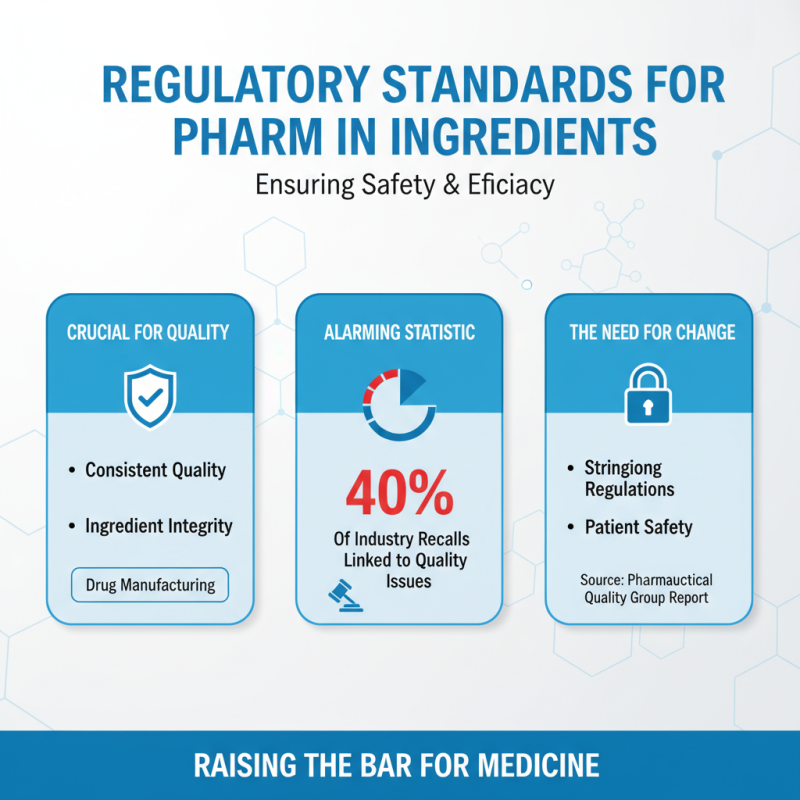
Regulatory standards for pharmaceutical ingredients are crucial for ensuring safety and efficacy. These standards help maintain consistent quality and integrity in drug manufacturing. According to a report by the Pharmaceutical Quality Group, over 40% of recalls in the industry are linked to quality issues. This alarming statistic emphasizes the need for stringent regulations.
Regulations vary by region, but many countries follow guidelines set by organizations like the FDA and EMA. These guidelines require thorough testing and documentation of pharmaceutical ingredients. Regular inspections and audits are essential. Many companies struggle to keep up with these evolving standards. In 2021, only 60% of manufacturers met compliance standards consistently. This gap can lead to significant risks for patients.
Natural Food Ingredients are increasingly examined under regulatory frameworks, reflecting a shift towards more holistic approaches in medicine. However, the source and processing of these ingredients can complicate compliance. Transparency is vital, yet often lacking. Companies must invest in proper sourcing and quality control to navigate these challenges. Failing to do so may undermine public trust and patient safety.
The landscape of pharmaceutical ingredients is changing rapidly. Future trends show a shift towards natural sources. One key area is the use of Plant Protein Ingredients . These provide numerous benefits over synthetic alternatives. They are often safer and more sustainable. As consumers demand cleaner products, the industry must adapt.
The focus on plant-based ingredients highlights the need for innovation. Companies are exploring new extraction methods. They aim to enhance the efficacy of these ingredients. However, challenges remain. Quality control may vary, leading to inconsistencies. It’s crucial for manufacturers to prioritize transparency.
Tips for industry stakeholders:
: Pharmaceutical ingredients are active substances in medications. They are crucial for drug formulation and effectiveness.
Creation starts with raw materials, which are synthesized to achieve desired properties. It often requires lengthy trials.
Excipients help with drug delivery and stability. They also impact the patient's experience with the medication.
Inconsistent quality can lead to variations in patient outcomes. Meeting strict quality standards is essential.
Ingredients may fail quality tests or cause unexpected interactions. Balancing efficacy and safety is often difficult.
There is a shift towards using natural sources, like plant-based ingredients, as consumers demand cleaner products.
Manufacturers should prioritize robust testing methods. Transparency about sourcing can also build consumer trust.
Continuous evaluation helps ensure products meet regulatory standards and reduces the risk of side effects.
They influence bioavailability and stability. Some enhance absorption, while others prevent the active substances from degrading.
Understanding market trends and being flexible in production methods can enhance competitiveness in the evolving industry.
Pharm Ingredients are the essential components used in the formulation of pharmaceutical products, playing a pivotal role in the drug development process. These ingredients can be classified into active pharmaceutical ingredients (APIs) and excipients, each serving distinct functions. The quality of Pharm Ingredients is critical, as it directly influences drug efficacy and safety, ensuring that the products meet stringent regulatory standards.
In the pharmaceutical industry, the importance of Pharm Ingredients continues to grow due to advancements in technology and an increasing emphasis on personalized medicine. Future trends suggest a focus on the development of more sophisticated and efficient Pharm Ingredients, which will further enhance therapeutic outcomes. Thus, understanding the role and significance of Pharm Ingredients is vital for ensuring safe and effective healthcare solutions.